
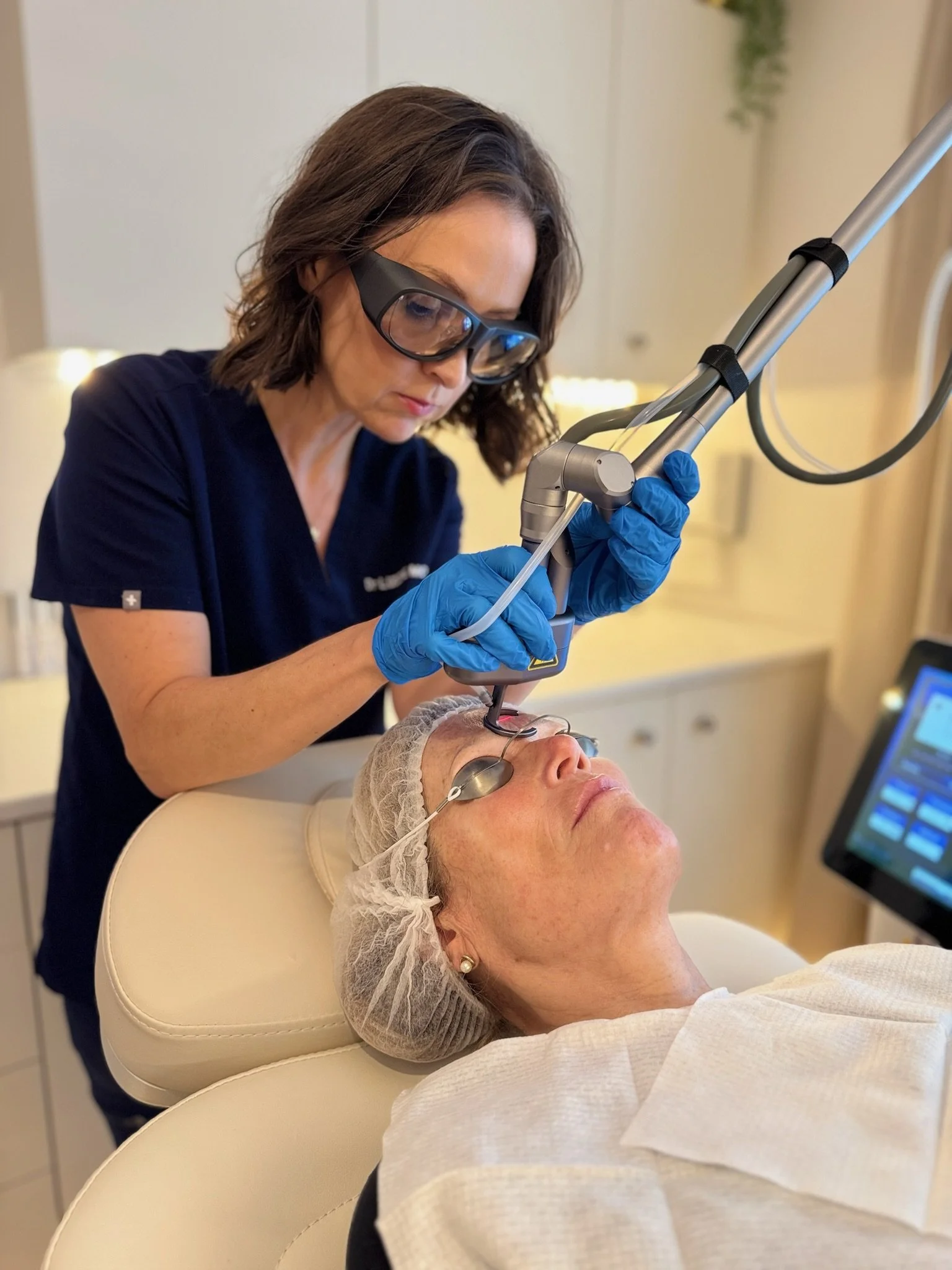
CO₂ Laser Skin Resurfacing
Fractional CO₂ laser is one of our most effective treatments for improving fine lines, wrinkles, sun damage, pigmentation, enlarged pores, acne scarring and uneven skin texture.
At Dr Lizzie Aesthetics, we don't believe that everyone should receive the same laser treatment. CO₂ can be adjusted considerably in depth and intensity, allowing us to create an individual treatment plan based on your skin, your concerns and — importantly — how much downtime you are comfortable with.
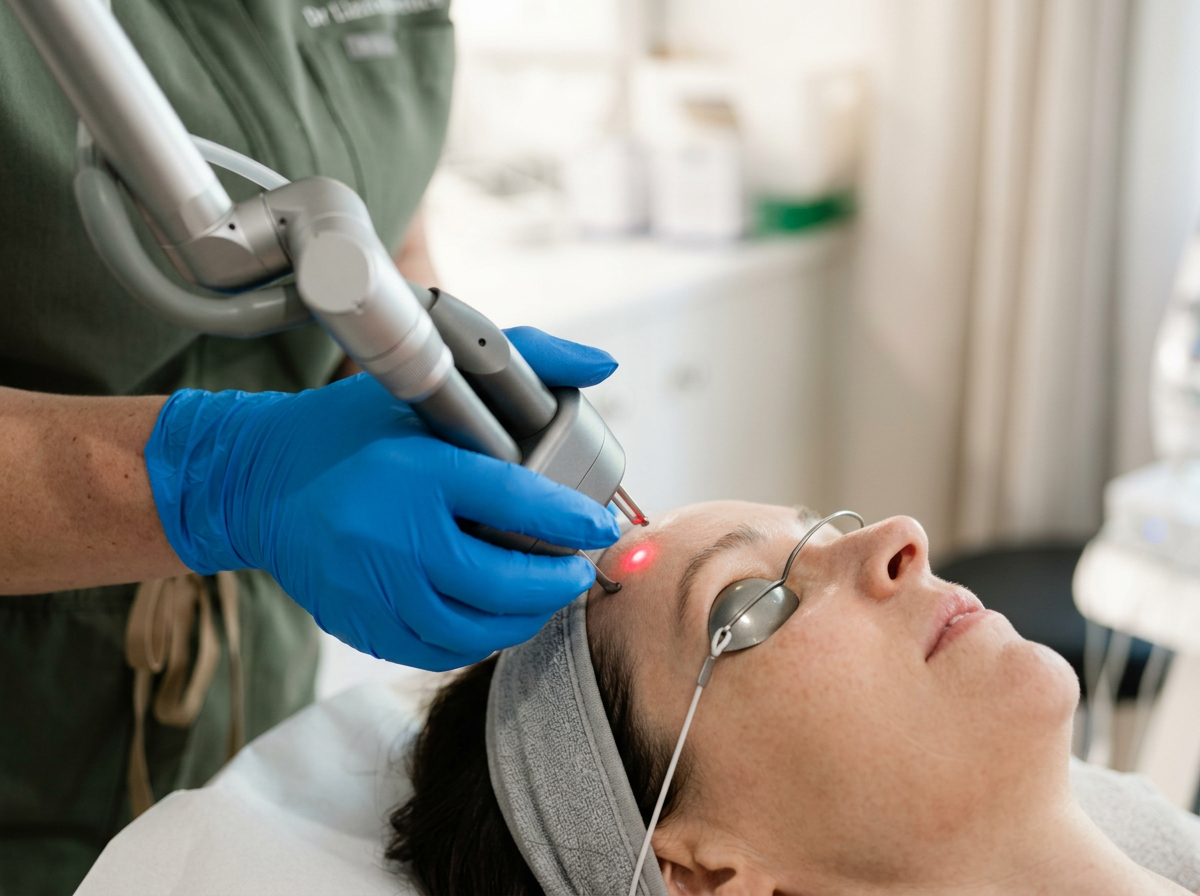
How does CO₂ laser work?
CO₂ laser uses a wavelength of 10,600 nm, which is strongly absorbed by water within the skin.
Fractional treatment creates thousands of microscopic treatment columns, leaving areas of surrounding skin intact. This controlled injury stimulates the skin's natural healing response, resulting in collagen remodelling and the formation of new collagen.
Superficial treatment can improve pigmentation, sun damage and texture, while deeper treatment can create more significant dermal remodelling.
Results therefore don't stop when your skin has healed. Collagen remodelling continues over the following weeks and months.
Key Details
-

Price
From £500 for small area and £650 for face and neck treatment
-

Pain
Treatment itself is comfortable with numbing cream. There is a feeling of heat for about 3 hours after treatment.
-

Recovery Time
Depends on agree treatment depth and energy. Typically from 2 days of social downtime.
-

Treatment timings
Depends on skin quality and treatment settings. Typically one or two treatments several months apart.
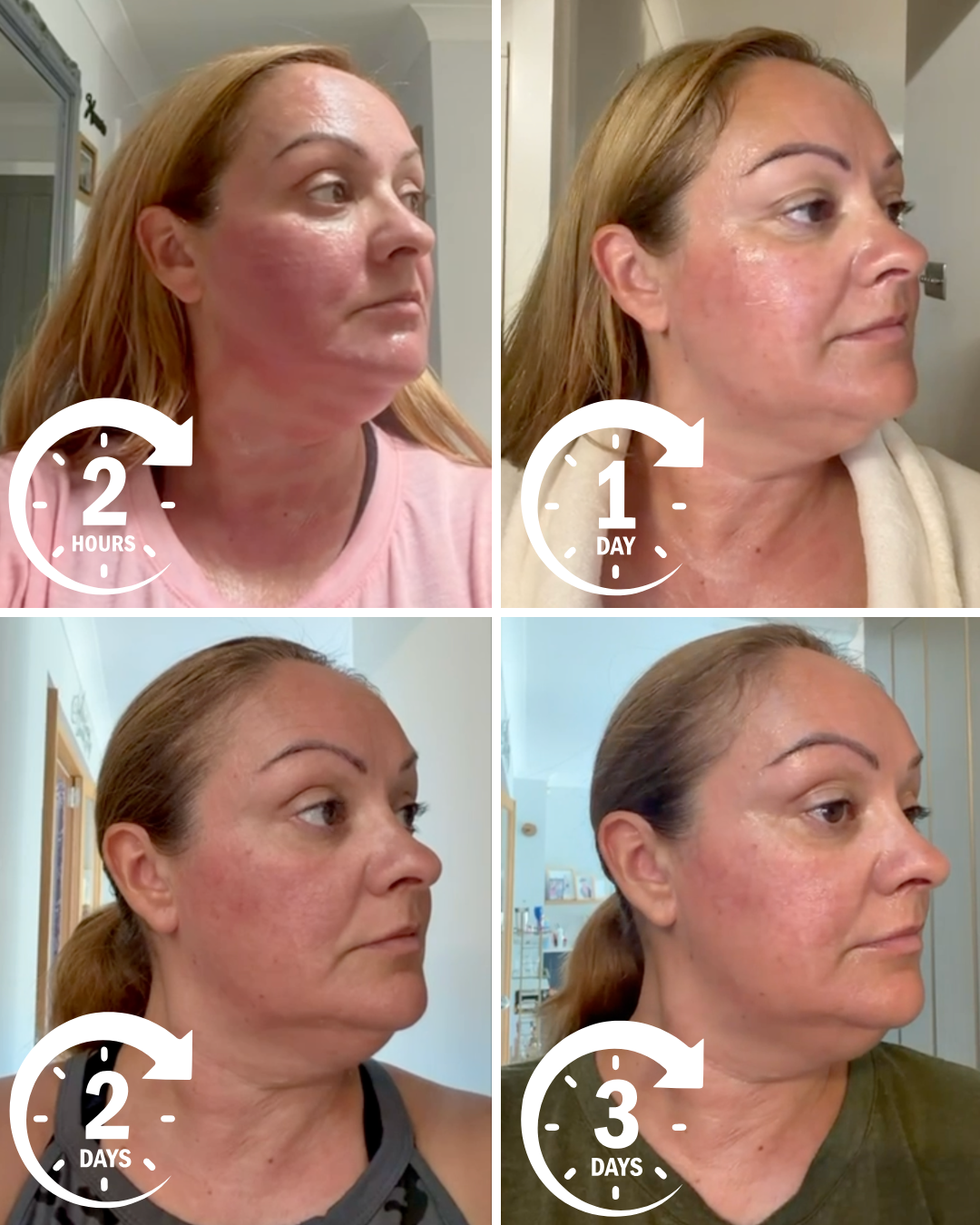
CO₂ Refresh
Lighter fractional resurfacing with less downtime.
Our CO₂ Refresh treatment uses a single treatment depth with relatively conservative settings.
It is designed for patients wanting to improve early fine lines, pigmentation, mild sun damage, pores and skin texture without the recovery associated with more intensive resurfacing.
Expect some redness and potentially mild swelling immediately afterwards, followed by a bronzed or rough appearance as the microscopic treatment areas heal.
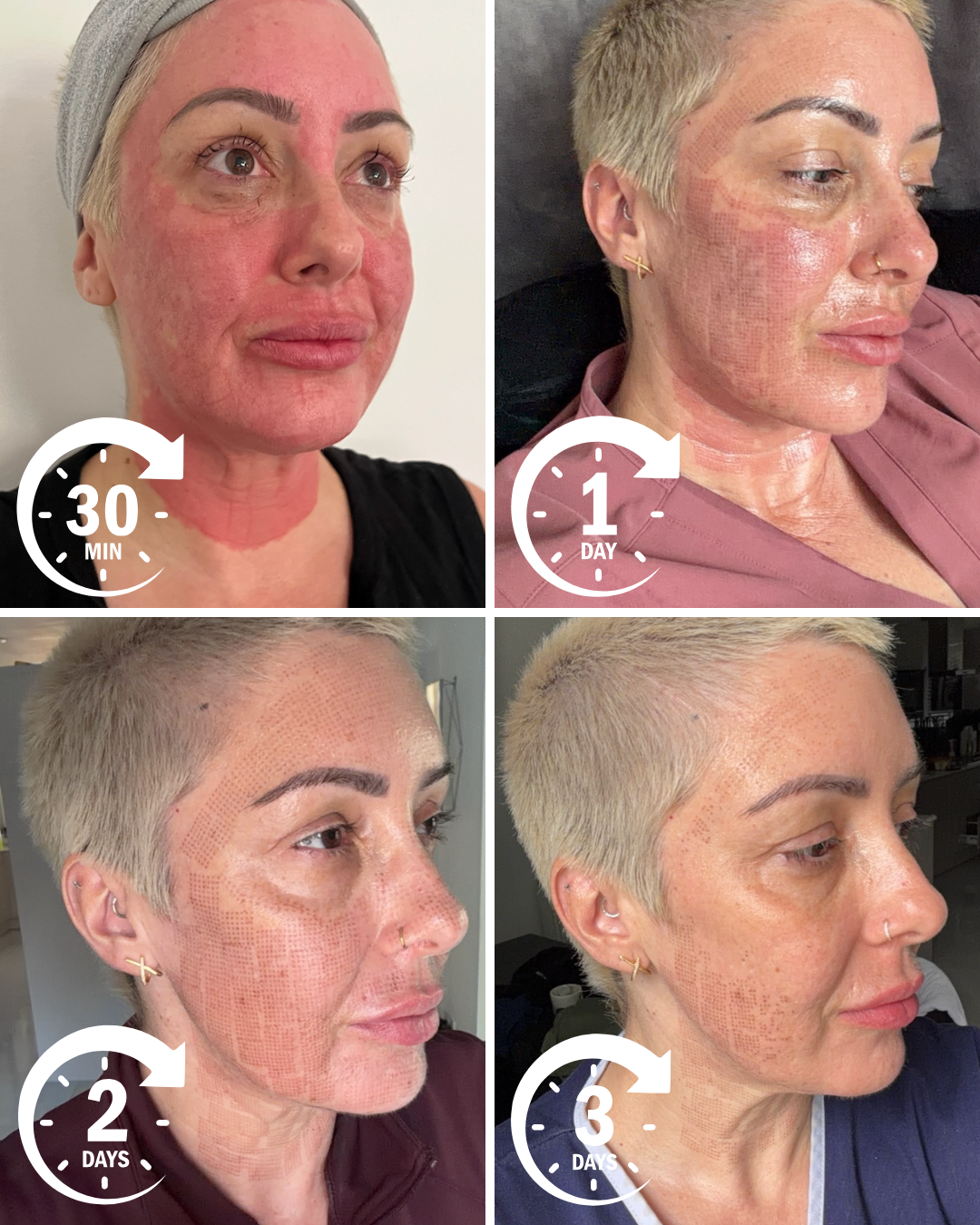
CO₂ Resurface
Advanced dual-depth resurfacing for more significant skin regeneration.
CO₂ Resurface combines deeper fractional treatment with more superficial resurfacing, allowing us to target different concerns at different levels within the skin.
It may be recommended for more established lines and wrinkles, significant photodamage, acne scarring and more advanced textural changes.
Because this is a more intensive treatment, there is greater downtime than with CO₂ Refresh. We will discuss the expected recovery carefully before treatment.
CO₂ Eye Rejuvenation
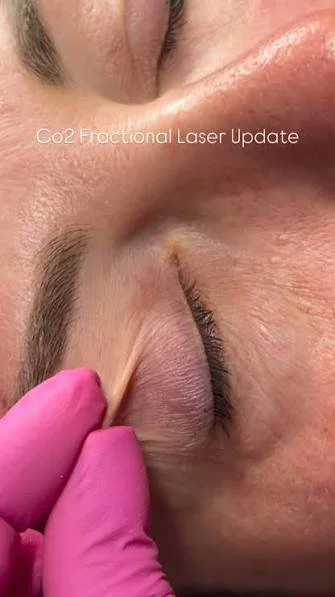
Fractional CO₂ can also be used to treat the delicate skin of the upper and lower eyelids.
Sometimes described as a non-surgical laser blepharoplasty, treatment creates controlled resurfacing and thermal stimulation to improve crepey skin, fine lines and skin quality around the eyes.
This is not the same as surgical blepharoplasty and does not surgically remove excess skin. When treating close to the eye, specialist intraocular laser shields are used to protect the eyes throughout the procedure.
Prepare. Resurface. Recover.
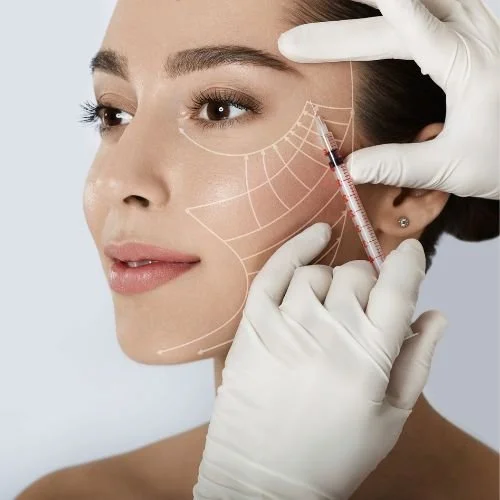
For more intensive treatments, we believe the treatment journey begins before the laser session itself.
Your programme may include targeted skincare before treatment to optimise skin quality and reduce risk of pigmentation changes. We may also incorporate polynucleotides into a wider regenerative treatment plan.
Following CO₂, a topical exosome-based product can be applied as part of our post-procedure protocol to aid recovery and improve results.
During recovery, we may recommend Alastin Regenerating Skin Nectar, alongside carefully selected barrier-supporting skincare and meticulous SPF.
Every CO₂ journey starts with a consultation. We assess your skin, medical history, pigmentation risk and goals before deciding which treatment — and which intensity — is right for you.
Dr Lizzie Explains how CO2 works
FAQs
-
Fractional CO₂ can improve fine lines and wrinkles, sun damage, pigmentation, uneven texture, enlarged pores, acne scarring and crepey skin. It can be used on the face as well as selected areas including the eyes, neck, décolletage and body. It’s great for stretch marks!
-
CO₂ Refresh is our lighter, single-depth treatment designed to improve skin quality with a more manageable recovery.
CO₂ Resurface is our more intensive dual-depth treatment. It combines superficial and deeper fractional resurfacing where greater correction and collagen remodelling are required.
We will recommend the most appropriate treatment following assessment rather than simply using the highest possible settings.
-
This depends considerably on treatment intensity.
Following CO₂ Refresh, expect redness followed by some bronzing, dryness or roughness as the skin heals. Social downtime is typically 2-4 days.
CO₂ Resurface produces a more significant recovery period. Redness, swelling and bronzing are expected before the treated skin begins to shed and fresh skin becomes visible. Social downtime may be around 7 days.
Residual pinkness can persist beyond the initial healing period, particularly following more intensive treatments.
We will discuss your individual expected downtime before treatment.
-
We take several measures to make treatment as comfortable as possible. Your anaesthetic and pain-relief protocol will depend upon the area and intensity being treated.
Patients commonly describe heat or a stinging sensation during treatment, followed by a sunburn-like warmth afterwards.
-
You'll notice changes in skin texture and appearance once the initial healing period has passed, but this isn't the final result.
CO₂ stimulates a longer-term repair and remodelling process, so collagen changes continue to develop over the following weeks and months.
-
This depends upon your starting skin condition and treatment intensity.
Some patients choose a more intensive resurfacing treatment, while others prefer a series of lighter treatments with less downtime. Your treatment plan will be discussed during consultation.
-
This describes the use of CO₂ laser to resurface and stimulate the skin around the eyes.
We can treat the upper and lower eyelids in appropriate patients to improve fine lines, crepey texture and skin quality.
It is important to understand that this is not equivalent to surgical blepharoplasty. CO₂ cannot remove significant excess skin or reposition tissues in the way surgery can.
-
When CO₂ treatment is performed close to the eye, specialist intraocular laser shields can be placed over the eyes to provide appropriate protection during treatment.
Your suitability for periocular treatment will be assessed beforehand.
-
Sometimes.
We want your skin and skin barrier to be in good condition before resurfacing. Depending on your skin, we may recommend a preparation programme incorporating Alastin Restorative Skin Complex and other targeted skincare.
Patients with pigmentation or an increased risk of post-inflammatory hyperpigmentation may require a different preparation protocol.
For selected patients, polynucleotides may also form part of a wider regenerative treatment programme.
-
We may recommend Alastin Regenerating Skin Nectar around your procedure as part of our post-treatment skincare protocol.
During the early recovery period we deliberately keep skincare simple, concentrating on supporting the recovering skin, moisturisation and rigorous sun protection rather than immediately restarting active ingredients.
-
A topical exosome-based product can be applied following treatment as part of our post-procedure protocol.
Exosomes have attracted interest in regenerative aesthetics and are being investigated in combination with procedures such as fractional laser. Research is promising but still developing, so we don't present exosomes as a substitute for appropriate laser settings, good aftercare or normal biological healing.
-
No. Skin type and pigmentation risk are important considerations with ablative laser treatments.
Your medical history, medications, previous treatments, tendency towards abnormal scarring, history of cold sores, recent sun exposure and pigmentation risk all need to be considered.
If we don't think CO₂ is the safest or most appropriate treatment for your skin, we will recommend an alternative.
-
Yes, but not immediately beforehand.
The visible healing period is only part of the recovery process, and redness can persist after the skin surface has healed. We recommend planning treatment well in advance of important events, particularly for more intensive CO₂ Resurface treatments.
-
You'll receive detailed written aftercare appropriate to your treatment intensity.
Initially, the focus is on gentle cleansing, protecting the healing skin, appropriate moisturisation and strict sun protection. Avoid picking or prematurely removing flaking or bronzed skin.
We'll also advise you when you can safely return to exercise, makeup and your normal active skincare.
BOOK a CONSULTATION
We know with so many options out there it can be baffling to know exactly what your skin needs. We invite you to book a consultation where we can discuss your options in depth.