

vagina dryness
Part One
Why do our vaginas get dry in menopause and other symptoms?
In my opinion, we don't talk about our vaginas and volvas enough.
We're embarrassed and oftentimes we don't think it's important.
But there's so many changes which can happen in menopause.
Let’s Break it Down
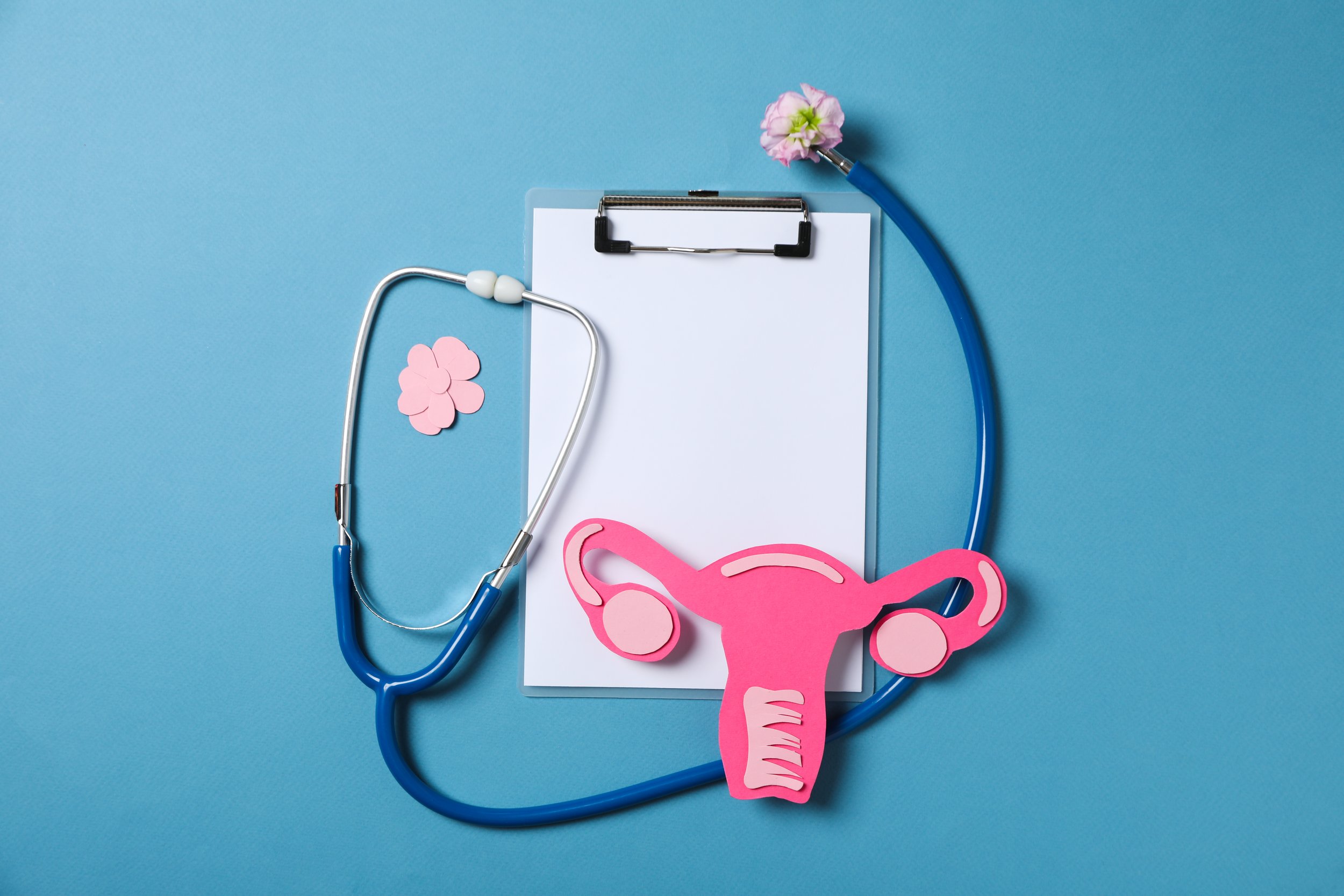
When our oestrogen decreases and sometimes our androgens as well, our testosterones, the lining of our vaginas and the vulva’s change.
To start with epithelial tissue, it starts to disappear by about 90% and that's what causes the secretions. As it continues to decrease, our vagina gets drier and as it gets drier, it can start to burn and itch and can become just generally uncomfortable. This leads to making sex more uncomfortable. Additionally, as those secretions are dipping, the microbiome of the vagina changes.

What Happens Next?
So when it's moist and the secretions are working well, the epithelial tissue is there, we have an overgrowth of lactobacilli, that’s our healthy bacteria.
As that gets a bit drier, the pH changes and things like E. Coli can come in and colonise the vagina. That can then lead to not just burning in the vagina, but it can also lead to urinary symptoms.
So, are you getting more recurrent UTI’s? Are you going weeing in the middle of the night more often? It might not actually be urine infections. It might be a lack of oestrogen down below, which is adding to all of those symptoms for you.
As We Age…
As we get older and our skin is losing collagen and Alastin, we can see it on our face, but that’s actually happening everywhere - including our vaginas. They are becoming less elastic. It is in fact becoming easier to damage the collagen, degrading it and everything is a bit stiffer and less hydrated. Things like moisturisers can certainly help.
Sensation is another thing to look out for. The blood flow to those tissues begins to slow and the tissue becomes thinner and more fragile decreasing the sensation that you were once used to. So, the neuronal tissue can degrade a little bit and it becomes less sensitive resulting in sex becoming less pleasurable for you.

The Bright Side!
There are things we can do all about this and there are things that we can change! Things such as lifestyle and conversations that you can have with your GP. It is important that you are open and honest with the your GP as these are conversations that we should be having as we age.
Stay tuned for part two - these conversation starters will be in the next post. Questions you should be asking and other things you can do to stay on top of.